Open this in UX Builder to add and edit content
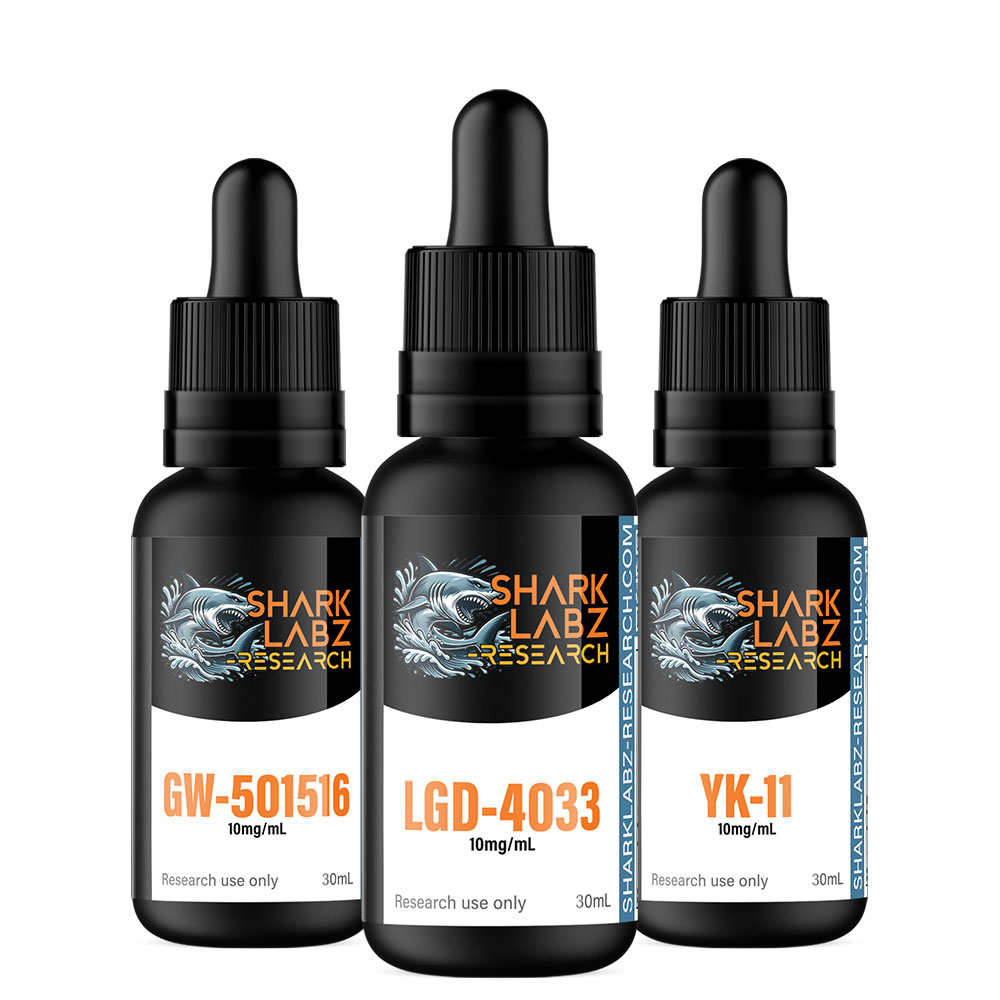
LGD-4033, or Ligandrol, is a powerful androgen receptor modulator that appears to offer numerous benefits. One study published in the Journal of Clinical Oncology found that LGD-4033 led to significant improvements in lean body mass and muscle strength among cancer patients with muscle wasting. It may potentially lead to increased lean muscle mass, muscle strength and may help improve bone density. It also shows promise in the reduction of fat, increasing metabolic activity and may even help maintain muscle mass during a calorie-restricted diet.
LGD-4033 may improve endurance, reduce fatigue, and enhance cardiovascular performance, theoretically improving overall performance. Additionally, research shows it could enhance recovery after physical activity, increase protein synthesis and nitrogen retention, and improve muscle hardness for bulking. Buy SARMS supplements online now! Free delivery Australia wide.
YK-11 is generally classified as a SARM, although it may also have some steroid-like properties. Some researchers have suggested that YK-11 may be more accurately classified as a "myostatin inhibitor" due to its unique ability to selectively inhibit myostatin, a protein that regulates muscle growth. However, because YK-11 binds to androgen receptors and has androgenic effects, it is still typically classified as a SARM.
YK-11 is known for its potential potent muscle-building properties and research suggests it works by inhibiting the action of myostatin, a hormone that limits muscle growth, and increasing the production of follistatin, a protein that promotes muscle hypertrophy. Theoretically, this could lead to increased muscle mass and strength beyond what is achievable with other SARMs. YK-11 may also increase bone density and promote fat loss by activating the protein kinase B signalling pathway and promoting the production of brown adipose tissue. Furthermore, YK-11 may even have the potential to increase endurance and speed up recovery times by increasing the levels of PPARδ and reducing inflammation through COX-2.